Source RV Power Outlet Box for Construction Sites, RVs, and Trams
Compare 30 RV power outlet box options from verified Chinese manufacturers. Buyers can evaluate specifications like IP ratings, voltage, and customization services for outdoor construction sites, RVs, and new energy trams.
Key considerations
Products List


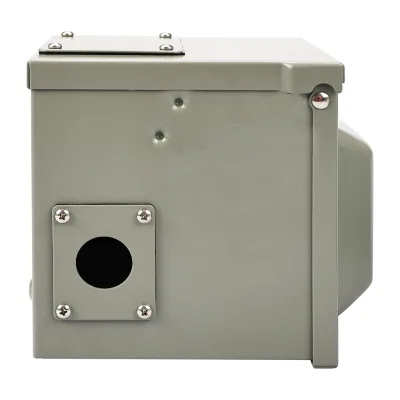
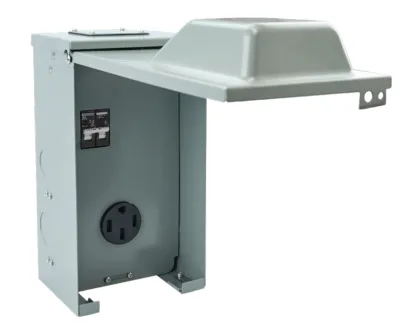
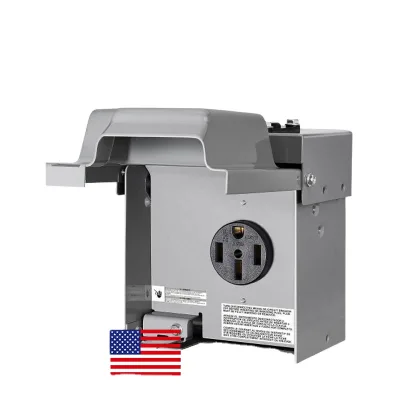
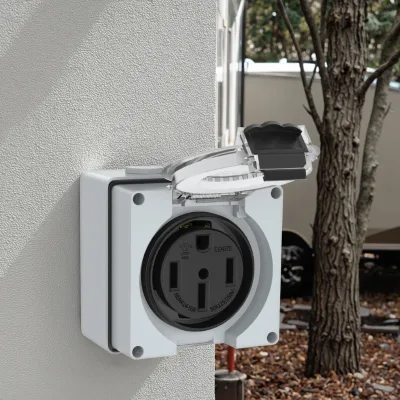
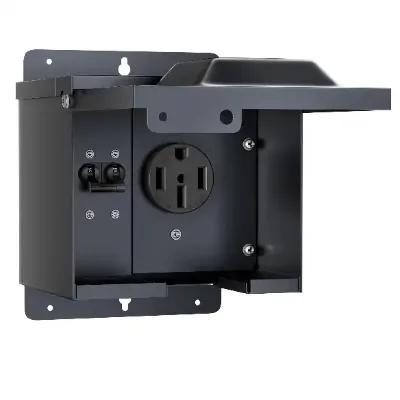
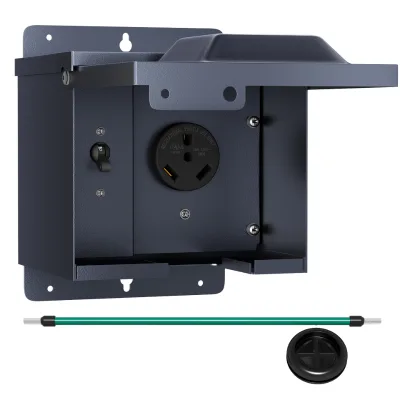
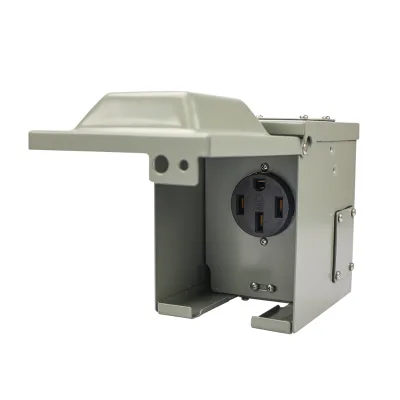
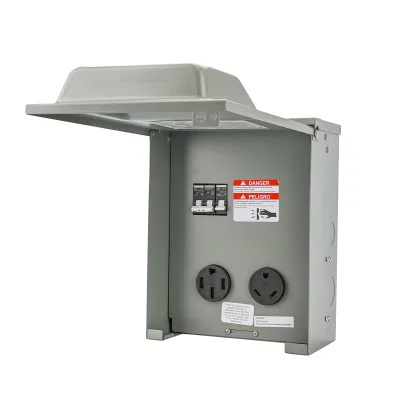
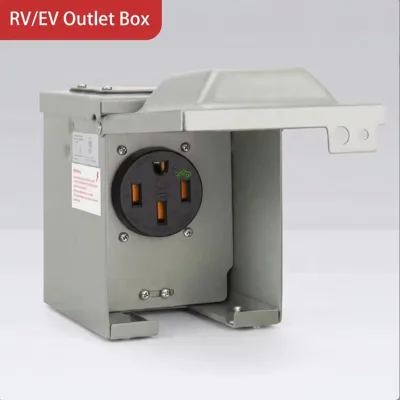
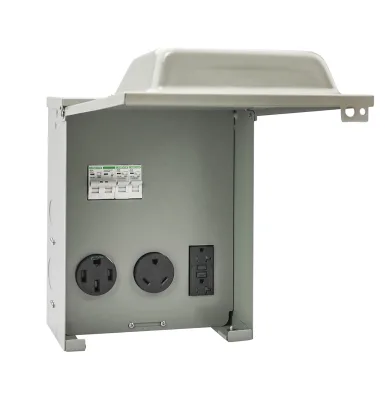
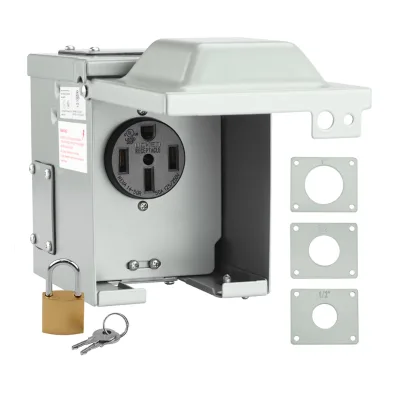
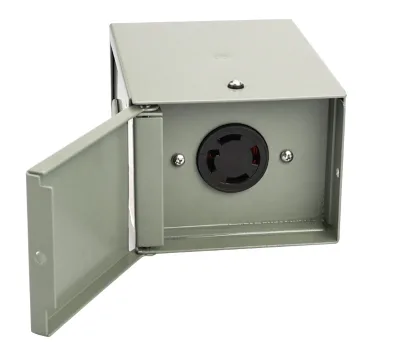
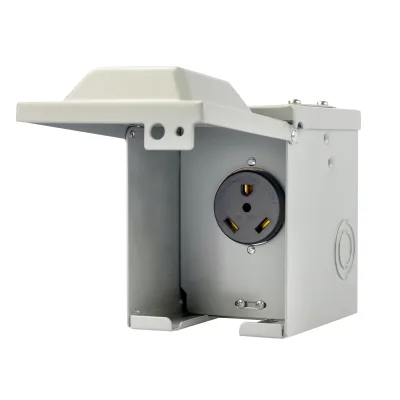
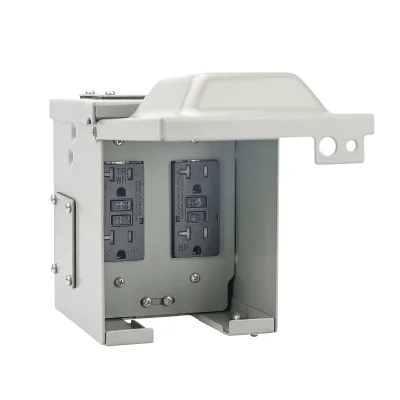


Comprehensive Sourcing Guide
Strategic Sourcing Guide for RV Power Outlet Boxes
Understanding Product Variants and Technical Specifications
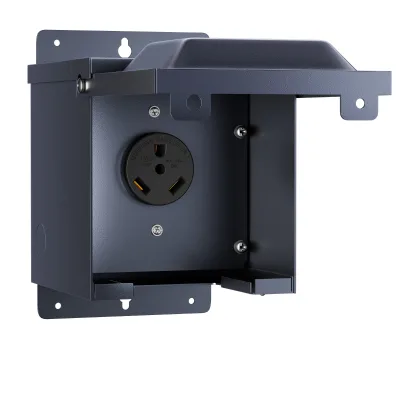
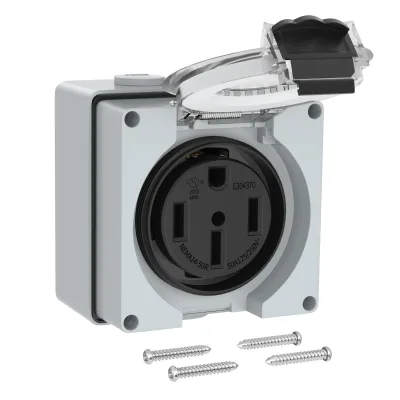
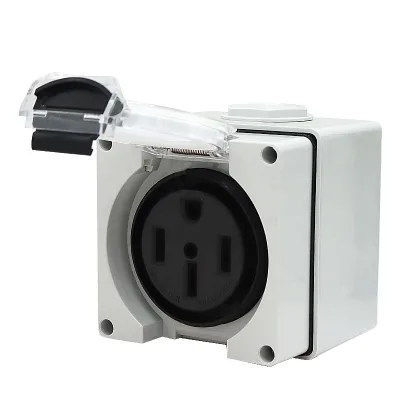
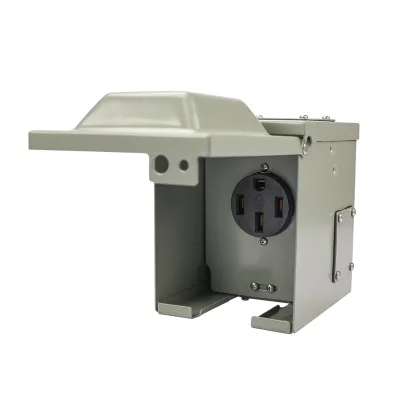
The market for RV power outlet boxes presents a diverse landscape where terminology often overlaps with industrial distribution equipment. When sourcing a product under the core keyword "RV power outlet box," buyers must first distinguish between units designed specifically for recreational vehicle applications and those that are industrial-grade junction boxes repurposed for mobile energy needs. The observed product data reveals a significant variance in technical attributes, indicating that a single search term can yield items ranging from compact solar junction boxes to heavy-duty distribution metering boxes.
A critical observation in the current supply pool is the presence of products labeled with specific model numbers such as CJX-RVGDX001-04 and CJX-RV30A. These identifiers suggest a structured manufacturing approach, yet the specifications associated with them vary widely. For instance, some units are defined by a maximum current of 50A with an operation voltage of 125/250V, while others are rated for 30A with a voltage of 125V/250V. This discrepancy necessitates a rigorous review of the electrical load requirements for the intended application. A buyer intending to power a standard RV site connection must verify if the 50A rating is sufficient for high-draw appliances, whereas a 30A unit might be adequate for lighter camping setups or auxiliary power distribution.
The physical construction of these boxes is equally varied. The data indicates the use of materials ranging from stainless steel to steel plates and iron enclosures. One specific entry notes an "Iron, type 3R enclosure rainproof" material, which is a crucial specification for outdoor applications where exposure to moisture and dust is inevitable. Conversely, other listings mention "Shell Protection Grade" without a specific IP number, requiring the buyer to request explicit IP rating documentation. The dimensions also fluctuate significantly; while one unit measures 10.24 x 5.91 x 12.6 inches, another is listed at 5.8 x 5.5 x 4.8 inches. These size differences directly impact installation feasibility, particularly in the confined spaces typical of RV chassis or solar panel arrays.
Compliance, Certification, and Safety Standards
In the realm of electrical distribution equipment, compliance is not merely a regulatory formality but a fundamental safety requirement. The supply data includes references to certifications such as ISO9001 and CCC. The presence of ISO9001 suggests that the manufacturing facility adheres to a quality management system, which is a positive indicator for consistency in production processes. However, the CCC certification, which is specific to the Chinese market, does not automatically guarantee compliance with international standards like UL (Underwriters Laboratories) or CE (Conformité Européenne) required for importation into North America or Europe.
Buyers must exercise extreme caution when interpreting the "Certification" field. The data notes "Form: Partly-welded Type" alongside certification mentions, which implies a specific construction method that may or may not meet explosion-proof standards depending on the jurisdiction. The term "Explosion Proof Junction Box" appears in the product attributes, yet this classification is highly regulated. In many regions, an explosion-proof rating requires specific testing and certification from accredited bodies to ensure the enclosure can contain an internal explosion without igniting the surrounding atmosphere. Without explicit documentation of the specific standard (e.g., ATEX, IECEx, or UL 1203) and the associated test reports, a buyer should treat the "Explosion Proof" claim as a manufacturer assertion rather than a verified fact.
Furthermore, the "NEMA" ratings observed, such as "14-50r/Tt-30r/15A GFCI," provide a standardized framework for understanding the receptacle configuration. NEMA 14-50R is a common standard for RV power, but the inclusion of "GFCI" (Ground Fault Circuit Interrupter) in the product description suggests an integrated safety feature. Buyers must verify if the GFCI protection is an integral part of the box or an external component, as this affects the overall system design and code compliance. The "Type 3R enclosure" mentioned in the material section is a NEMA standard indicating protection against falling rain and sleet, which is essential for outdoor RV installations. However, buyers should confirm if the specific unit they are sourcing meets the full Type 3R requirements or if it is a generic rainproof designation.
Cost Drivers and Pricing Dynamics
The observed price range for these products spans from $7.30 to $6,000 USD, a variance that reflects the extreme diversity in product complexity, material quality, and certification levels. The lower end of the spectrum likely corresponds to basic junction boxes, simple solar enclosures, or smaller units with minimal features. In contrast, the higher price points are associated with heavy-duty distribution boxes, units with complex customization, or those claiming specialized certifications like explosion-proof ratings.
Several factors drive these costs. Material selection is a primary driver; stainless steel units generally command a premium over steel plate or iron enclosures due to superior corrosion resistance and longevity. The "Net Weight" of a unit, ranging from 1.96 kg to 6.4 kg, often correlates with the thickness of the shell and the density of the internal components. A unit with a thickness of 1.5mm, as noted in the specifications, will be more expensive than a thinner alternative due to material usage and manufacturing time.
Customization is another significant cost factor. The data explicitly states that "Customization: Available" and "Custom Processing: Yes" are common attributes. Orders requiring specific dimensions, unique socket configurations, or tailored internal wiring will incur higher costs and potentially longer lead times. The "Serve: OEM & ODM" note indicates that suppliers are willing to produce private-label goods, which often involves tooling costs and minimum order quantities (MOQs) that can range from 1 to 500 units. Buyers should anticipate that a single unit order may carry a higher per-unit cost compared to bulk procurement, where economies of scale can significantly reduce the price.
Typical Applications and Operational Context
The application range for these products is broad, extending beyond traditional recreational vehicles to include power plants, outdoor construction sites, and new energy tram systems. The "Application" field explicitly lists "Outdoor construction sites, rv, new energy trams, motorcycles, etc." This versatility suggests that the product category is not limited to a single use case. For RV owners, the primary function is to provide a secure, weather-resistant connection point for shore power or to distribute power to onboard systems.
In the context of new energy trams and solar applications, the "Solar Junction Box" designation becomes relevant. These units often serve to protect solar panel connections and manage the flow of electricity to batteries or inverters. The "Configuration: Self-Limiting Position" mentioned in the data hints at mechanisms designed to prevent over-extension or mechanical failure in dynamic environments, which is crucial for mobile applications where vibration and movement are constant.
The "Structure: Open Frame" attribute found in some listings indicates a design that may be intended for indoor use or for integration into larger enclosures, rather than a standalone weatherproof box. This distinction is vital for buyers planning outdoor installations. An open frame unit would require additional protection from the elements, whereas a fully enclosed unit with an IP rating or Type 3R designation is suitable for direct exposure. Understanding the specific operational environment is essential to selecting the correct product type, as using an open-frame unit in a rainy outdoor setting could lead to catastrophic failure.
Supplier Evaluation and Geographic Considerations
The geographic origin of the products is a key factor in the sourcing process. The data indicates that products originate from "China," with specific mentions of "Guangzhou" and "Zhejiang." These regions are known for their robust manufacturing capabilities in electrical components, but they also present challenges regarding logistics and communication. Buyers should verify the specific factory location to assess the supplier's proximity to major shipping ports, which can influence lead times and shipping costs.
When evaluating suppliers, the "Process & Customization: Accept" attribute is a strong indicator of flexibility. However, buyers must look beyond this claim to assess the supplier's actual capacity for quality control. The presence of "ISO9001" certification is a baseline requirement, but it does not guarantee that every batch of products will meet the same standards. Buyers should request evidence of in-house testing capabilities, particularly for electrical safety and environmental resistance.
The "Brand Name: Daier" appears in the data, but buyers should be aware that many suppliers in this sector operate as OEM manufacturers for multiple brands. Relying solely on a brand name without verifying the underlying manufacturing entity can be risky. It is advisable to conduct due diligence on the supplier's history, their response to quality issues, and their ability to provide traceability for the components used in the boxes.
Quality Control and Long-Term Procurement Strategy
Ensuring long-term reliability requires a proactive quality control strategy. The "Product Dimensions" and "Single package size" data highlight the importance of packaging standards. The use of "Carton Foam" and "Carton" packing suggests that the suppliers are aware of the need for protection during transit, but buyers should verify if the packaging is sufficient to prevent damage from moisture or impact during long-haul shipping.
For long-term procurement, buyers should establish clear acceptance criteria based on the observed specifications. This includes verifying the "Wire Range" (e.g., 10-4AWG) to ensure compatibility with existing cabling infrastructure. The "Number of Sockets" is another critical parameter; while some units are designed with a single socket, others may support multiple connections. Buyers must align the socket count with their power distribution needs to avoid the need for additional adapters or splitters, which can introduce points of failure.
Finally, the "Max Current" and "Voltage" ratings must be strictly adhered to. Operating a box beyond its rated capacity can lead to overheating and fire hazards. Buyers should implement a verification process that includes receiving inspection, where the physical dimensions, material thickness, and electrical ratings are checked against the purchase order. By maintaining a rigorous quality control protocol and selecting suppliers with proven customization and certification capabilities, buyers can secure a reliable supply chain for RV power outlet boxes that meets both safety and performance standards.
FAQs
What certifications are available for rv power outlet boxes?
Available certifications include ISO9001 and CCC. Buyers must verify if these cover international standards like UL or CE, as CCC is specific to the Chinese market and may not guarantee compliance for export.
Which voltage ratings are common for these units?
Common voltage ratings are 125V, 250V, or a combined 125/250V. Some models support high voltage operation, so users must match the unit rating to their specific power source requirements.
Can I find rv power outlet boxes with explosion proof ratings?
Some listings claim explosion proof ratings, but this requires specific testing documentation. Without explicit test reports from accredited bodies, treat this claim as a manufacturer assertion rather than a verified safety standard.
How does customization affect the cost and lead time?
Customization is available and increases costs due to tooling and processing time. Orders requiring specific dimensions or wiring configurations often have higher per-unit costs and longer lead times than standard items.
What materials are used for the shell construction?
Shells are made from stainless steel, steel plate, or iron with Type 3R rainproof enclosures. Material choice impacts corrosion resistance, with stainless steel generally commanding a premium over iron or steel plate.
What is the typical weight range for these boxes?
Weights range from 1.96 kg to 6.4 kg depending on the model and material thickness. Heavier units often feature thicker shells, such as 1.5mm, which provide greater durability for industrial applications.
Where are these products typically manufactured?
Products originate from China, with specific hubs in Guangzhou and Zhejiang. Buyers should verify factory locations to assess proximity to shipping ports and potential logistics costs.